
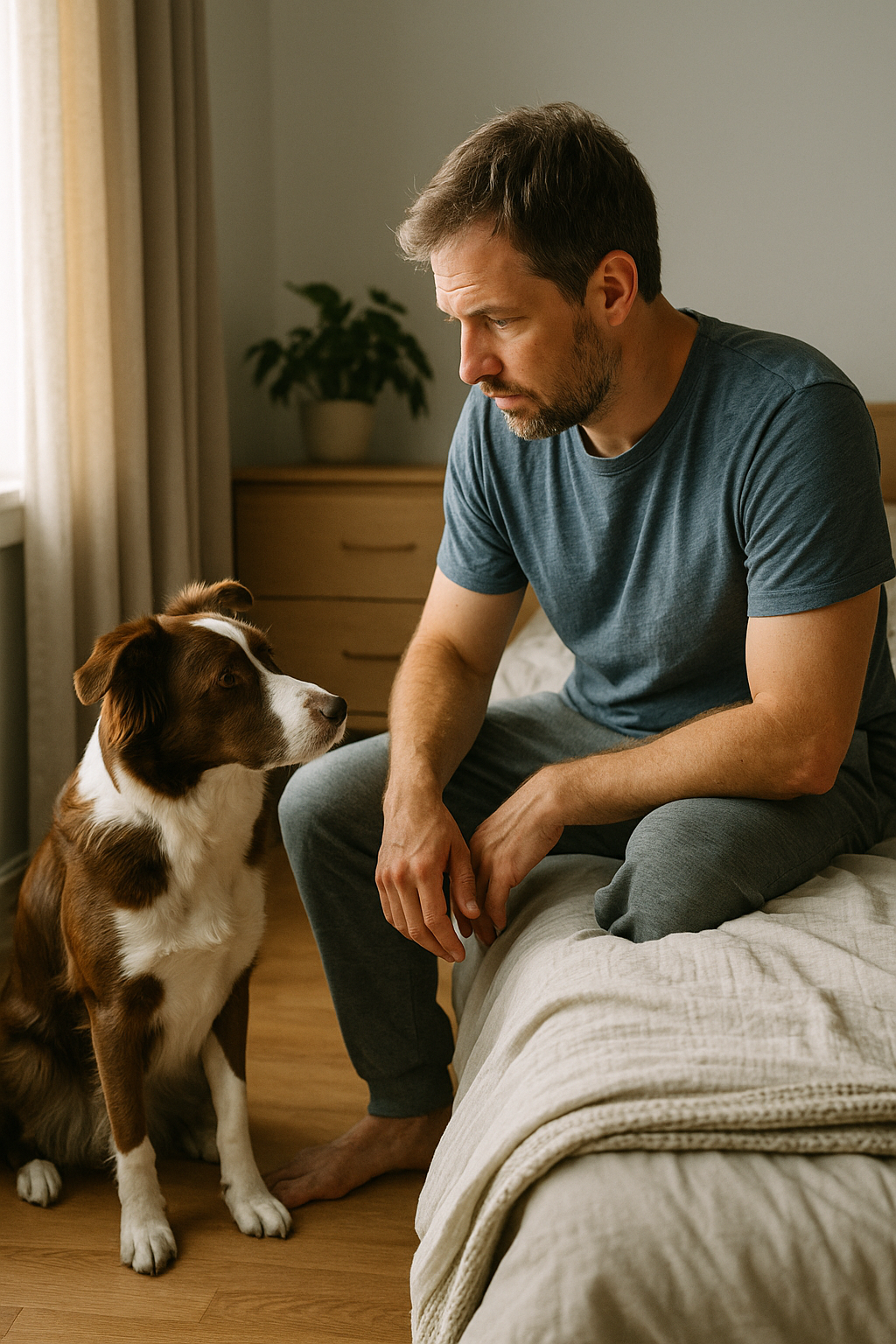
Dogs, like humans, can wake up feeling stiff, sore, or uncomfortable—especially as they age or after an active day. However, unlike humans, they can’t explain where or why something hurts. That’s why it’s important to recognize subtle morning signs of discomfort, such as swelling, limping, or unusual behavior.
Paying close attention to your dog’s body language during the first few minutes of the day can help detect health issues early and prevent minor discomfort from becoming serious pain. With a little observation and a calm, consistent morning check-in, you’ll better support your dog’s comfort and well-being each day.
In this article, we’ll explore what to look for, how to gently examine your dog in the morning, and what these early signs may reveal about your dog’s health.
Why Morning Is a Key Time for Observation
Overnight rest may cause stiffness, especially in older dogs or those with hidden inflammation. Inactivity allows inflammation or minor injuries to settle in, which becomes more noticeable upon movement in the morning.
By observing your dog during the first 10–15 minutes after waking up, you get a clear sense of:
- Joint stiffness or limited movement
- Swelling in legs, paws, or joints
- Unusual posture or limping
- Excessive licking of a specific area
- Disinterest in standing or walking
These behaviors are often more noticeable in the morning and may disappear later in the day, making this an ideal time to catch early signs of discomfort.
Common Morning Discomfort Signs to Watch
1. Limping or Uneven Walking
One of the most obvious signs is favoring a limb or walking with a limp. Watch closely as your dog gets up from bed. Are they hesitant to place weight on one leg?
2. Swelling in Joints or Paws
Gently touch your dog’s legs and paws. Do they feel warm, puffy, or look larger than usual? Localized swelling can signal inflammation or minor injury.
3. Slow to Rise or Hesitant to Move
If your dog is taking longer than usual to stand or stretches excessively before walking, this may be a sign of stiffness or early arthritis.
4. Head Held Low or Stiff Neck Movement
Reluctance to lift the head, look around, or shake off may point to neck or upper back tension.
5. Licking or Chewing One Area Repeatedly
A dog might focus attention on a sore paw, hip, or knee as a way to soothe discomfort. Frequent morning licking of the same spot should not be ignored.
6. Tense Body Language
Flattened ears, low tail, and slow movements could indicate pain. Even if your dog doesn’t vocalize, their posture may tell a different story.
How to Gently Perform a Morning Check-In
Once your dog is awake and alert, take 2–3 minutes to calmly assess their body.
Step-by-Step Guide:
- Watch them get up – Take note of how easily they rise and walk.
- Observe the first few steps – Look for limping, dragging paws, or slow motion.
- Run your hands gently along their legs and body – Check for heat, swelling, or sensitivity.
- Check paws – Look between toes for debris, injuries, or soreness.
- Watch their response – Do they pull away, flinch, or seem uncomfortable with touch?
If your dog is relaxed and responsive, this process can also serve as a bonding moment to start the day.
Which Dogs Need Extra Morning Attention?
While all dogs can benefit from a morning check-in, the following groups may need it more regularly:
- Senior dogs – More prone to joint stiffness and arthritis.
- Large breeds – Heavier weight places more stress on joints.
- Dogs recovering from injury or surgery – Monitor healing progress.
- Dogs with past joint issues – Previous inflammation may return.
- Active or working dogs – Watch for overuse injuries.
These dogs benefit from a structured, observant routine to prevent discomfort from worsening unnoticed.
What Morning Discomfort Might Indicate
Not all stiffness is serious, but patterns or repetition should be taken seriously.
Potential causes include:
- Mild arthritis or joint degeneration
- Muscle strain from the day before
- Early hip or elbow dysplasia signs
- Minor sprains or soft tissue injuries
- Infections in the paws or between toes
- Hidden bruising from impact or slipping
Mornings help highlight these issues because the body has been still for several hours.
When to Call a Veterinarian
Occasional stiffness or discomfort may resolve naturally. However, contact your vet if you notice:
- Persistent limping or worsening swelling
- Signs of pain (whining, hiding, aggression)
- Trouble walking or standing even after moving around
- Symptoms lasting more than two mornings in a row
- Signs of infection (hot, red, or bleeding areas)
Early intervention prevents chronic conditions from developing or worsening.
Supporting Your Dog’s Comfort at Home
Even without a diagnosis, you can make the mornings easier with small adjustments:
- Provide orthopedic or memory foam bedding
- Place rugs or mats on slippery floors
- Allow a few minutes for stretching before outdoor walks
- Offer joint-friendly treats with glucosamine or omega-3s
- Keep water and food bowls elevated to reduce neck strain
These gentle adjustments reduce stress on sensitive joints and promote comfort from the start of the day.
Tracking Your Observations Over Time
Keeping a simple log of morning behavior can reveal patterns and help your vet with diagnoses.
Try noting:
- Day and time
- Limb or area affected
- Severity of stiffness (mild/moderate/severe)
- Duration before improvement
- Any visible swelling or sensitivity
With this data, you’ll better understand whether symptoms are isolated or part of a recurring pattern.
Final Thoughts
Paying attention to your dog in the first moments of the day can make a real difference in their overall health. Morning stiffness, swelling, or hesitation can be easy to overlook—but they often provide early warnings of deeper issues.
By creating a calm and observant morning routine, you support your dog’s comfort, reduce the risk of injury, and demonstrate the attentive care that every pet deserves. It’s a simple but powerful way to say: I see you, and I’ve got you.