
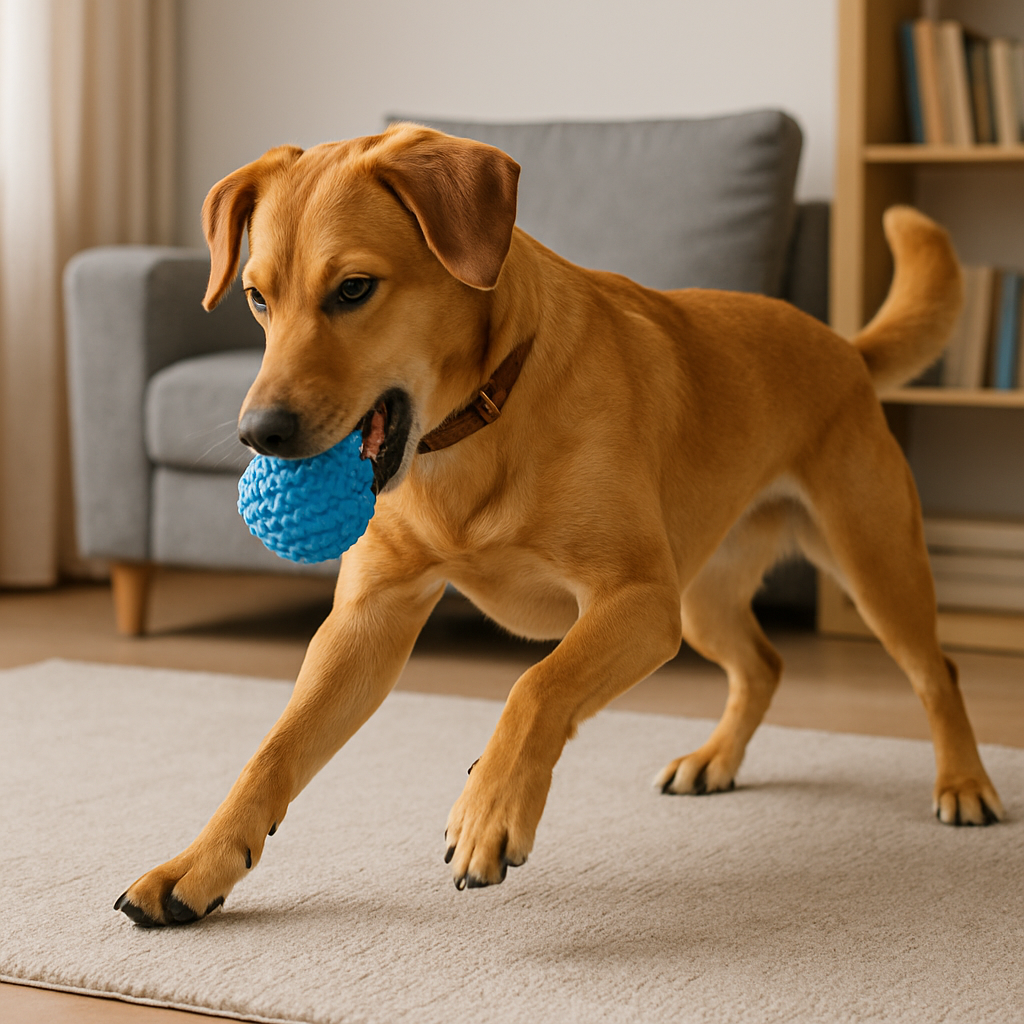
Regular physical activity is essential for a dog’s physical and mental health. But what happens when bad weather, limited mobility, or a busy schedule keeps you indoors? The good news is: your dog can still get plenty of exercise right at home.
Indoor exercise isn’t just about burning off energy—it’s also an opportunity to bond with your dog, reinforce training, and prevent behavior problems that come from boredom. In this guide, you’ll find practical, fun, and safe ways to keep your dog active inside the house—no matter the size of your space.
Why Dogs Need Daily Exercise
Dogs of all breeds and ages need movement every day to:
- Prevent obesity
- Build muscle and maintain healthy joints
- Reduce anxiety and destructive behaviors
- Support digestion and heart health
- Release pent-up energy in a healthy way
A tired dog is a happy dog—and much better behaved.
Even 20 to 30 minutes of indoor activity can make a big difference.
How Much Exercise Does Your Dog Need?
The ideal amount of exercise depends on:
- Breed: Working and herding breeds (like Border Collies or Huskies) need more activity than toy breeds.
- Age: Puppies and young adults are more energetic; seniors may need shorter, gentler sessions.
- Health: Dogs with injuries or medical conditions may require tailored activities approved by a vet.
Always consult your vet if you’re unsure about your dog’s exercise limits.
Fun Indoor Activities to Try
Let’s explore safe and enjoyable ways to exercise your dog without leaving the house.
1. Tug-of-War
Why it works:
It’s engaging, physical, and requires minimal space. It also strengthens your bond.
What you need:
A rope toy or even an old towel tied in a knot.
Tips:
- Teach a clear “drop it” command.
- Let your dog win sometimes—it builds confidence.
- Avoid overly rough play or allowing your dog to pull too aggressively.
This is great for medium to large dogs with strong jaws and a playful spirit.
2. Indoor Fetch
Why it works:
Fetch helps your dog sprint, turn, and return—great for cardio.
Where to play:
Use a hallway or clear a room. Soft balls or plush toys prevent damage.
Tips:
- Keep throws short to avoid slipping.
- Use a non-slip rug or play on carpet if possible.
- Reinforce commands like “drop it” or “bring it back.”
Perfect for high-energy dogs who love to chase.
3. Stair Climbs
Why it works:
Stairs build strength and endurance.
How to do it:
- Stand at the bottom and toss a toy or treat to the top.
- Ask your dog to run up, grab it, and come back.
- Repeat 5–10 times depending on their stamina.
Caution:
Avoid this if your dog is very young, elderly, or has joint problems.
4. Hide and Seek
Why it works:
Stimulates your dog’s brain and encourages natural tracking behavior.
How to play:
- Ask your dog to sit and stay (or have someone distract them).
- Go hide in another room.
- Call their name once and wait for them to find you.
- Praise and reward when they do!
You can also hide toys or treats instead of yourself.
5. Obedience Drills
Why it works:
Reinforces good behavior while keeping your dog mentally engaged.
Examples:
- Practice commands like “sit,” “stay,” “down,” and “come.”
- Add movement: ask for a “sit” after a short run or jump.
- Create mini routines to keep it fun and challenging.
Short training sessions (5–10 minutes) are great daily workouts for the brain.
6. Create an Indoor Agility Course
Why it works:
Agility exercises combine mental focus with physical movement.
DIY obstacles:
- Jump over a broomstick balanced on books.
- Weave through upright pillows.
- Crawl under a table or through a tunnel made of chairs and a blanket.
- Climb over cushions or low furniture.
Make it a game! Use treats or toys to guide your dog through each step.
7. Use a Treadmill (If Trained)
Why it works:
Treadmills offer steady exercise when outdoor walks aren’t possible.
Tips for safety:
- Use only if your dog is properly trained.
- Start slow and use a harness.
- Never tie your dog or leave them unattended.
Check with your vet before starting a treadmill routine, especially for small or senior dogs.
8. Sniff and Search Games
Why it works:
Sniffing tires dogs out as much as running. Scent work is mentally exhausting and fun.
What to do:
- Hide treats or kibble under cups or around the house.
- Use cardboard boxes or towels to create a “sniff puzzle.”
- Use a snuffle mat for slow feeding and nose work.
These games satisfy natural instincts and are great for all energy levels.
9. Dance or Follow-the-Leader
Why it works:
It’s fun for both of you and can be adjusted to any space.
How to play:
- Use a treat to guide your dog in spins, steps, or jumps.
- Practice tricks like weaving through your legs or walking backward.
- Play upbeat music and turn it into a dance session!
Don’t be afraid to get silly—it’s great bonding time.
10. Interactive Toys and Puzzle Feeders
Why it works:
These tools provide mental stimulation and slow down fast eaters.
Options include:
- Treat-dispensing balls
- Puzzle trays
- Kong toys filled with frozen food or peanut butter
These are perfect for when you need to keep your dog busy while working or relaxing.
Tips to Keep Indoor Exercise Safe
- Clear the area of breakables before active play
- Use rugs or mats to prevent slipping on tile or hardwood
- Keep sessions short if your dog is panting or showing signs of fatigue
- Monitor for overheating—especially with brachycephalic breeds like Bulldogs or Pugs
- Mix activities to prevent boredom or overstimulation
Tailor Activities to Your Dog’s Personality
Not every dog will love every game. Pay attention to what your dog enjoys most:
- High-energy dogs might love fetch and obstacle courses
- Smart or anxious dogs often benefit more from nose work or puzzles
- Older or low-mobility dogs may prefer slow scent games and short training drills
Let your dog’s energy, age, and health guide your approach.
Don’t Forget to Cool Down
After an indoor play session, help your dog settle:
- Offer water
- Praise calmly
- Provide a comfy resting spot
- Avoid feeding right after intense activity
Rest is just as important as exercise in maintaining your dog’s balance.
Final Thoughts
Even when you’re stuck indoors, there’s no reason for your dog to be bored or inactive. With just a few simple tools and a little creativity, you can give your dog the physical and mental stimulation they need—right in your living room.
Consistent indoor exercise helps keep your dog healthy, happy, and well-behaved. And the best part? These moments of play and interaction make your bond even stronger.