
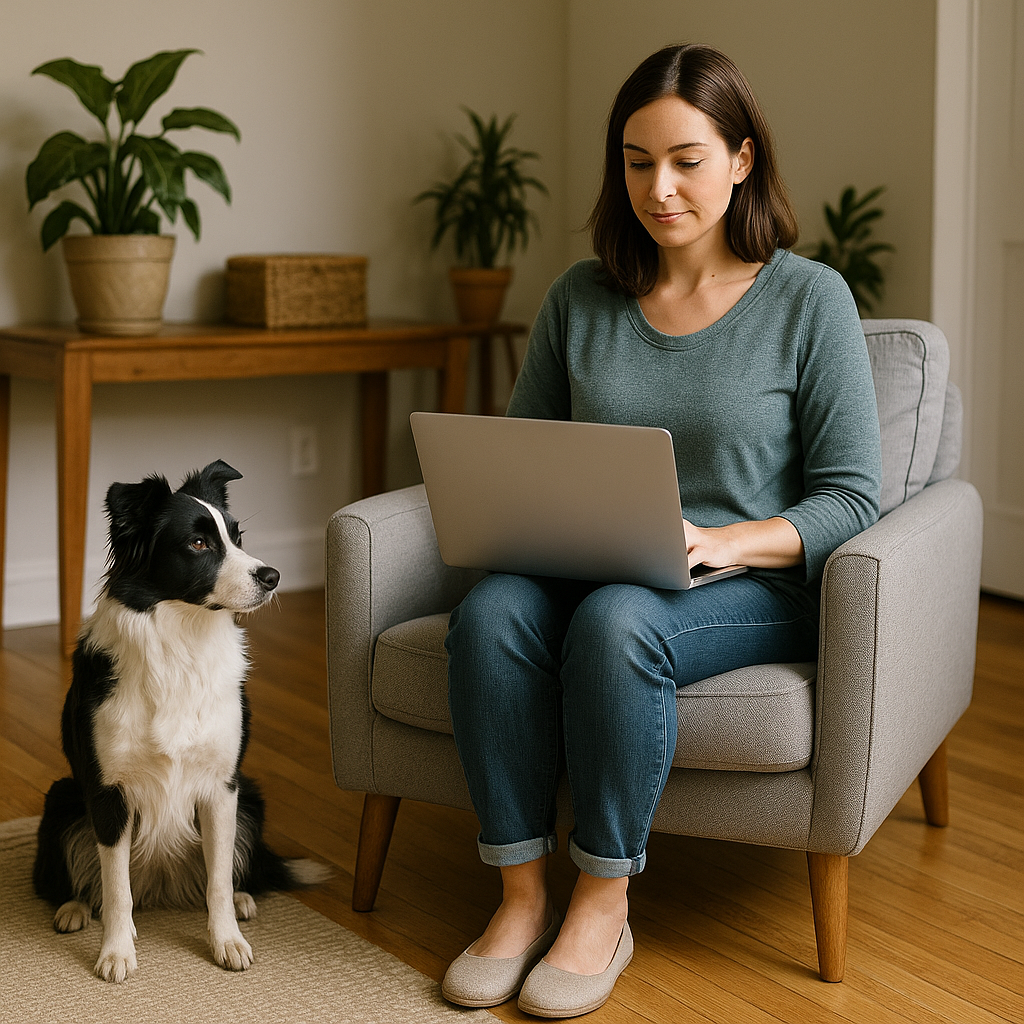
Many dog owners find it endearing when their dog follows them from room to room, always by their side. At first glance, this behavior can feel like loyalty, affection, or a strong bond. But for some dogs—and their human companions—this constant following can become disruptive, stressful, or even a sign of deeper emotional imbalance.
Understanding why your dog follows you all day is the first step to addressing it. While it may not seem like a problem at first, it can signal separation anxiety, boredom, or a lack of structure. In this guide, you’ll learn how to gently shift your dog’s behavior while respecting their emotional needs and maintaining your strong connection.
Why Dogs Follow Their Owners Constantly
There are a variety of reasons why your dog may follow you everywhere throughout the day. Most of the time, the cause is rooted in routine, emotion, or reinforcement.
Common Reasons Include:
- Separation anxiety or fear of being left alone
- Boredom or lack of stimulation
- Strong attachment due to routine or environment
- Lack of confidence when left alone in a space
- Reinforced behavior from receiving attention or rewards
- Instinct to monitor or protect their human
While occasional following is natural, if your dog cannot settle in one place without your presence, it’s worth taking a closer look at their routine and environment.
How to Identify When It’s a Problem
Some dogs follow their owners casually and can be redirected easily. Others may follow obsessively, to the point where they can’t relax unless you’re in the same room.
Signs It May Be More Than Loyalty:
- Your dog follows you even when tired or injured
- They panic when you close a door or leave briefly
- They whine, bark, or scratch when you step away
- They stop playing, eating, or resting if you’re not nearby
- They show stress during minor separations (bathroom, short errands)
If this behavior is persistent, it may indicate anxiety or dependence that affects their well-being.
Step 1: Avoid Reinforcing the Behavior
Dogs learn from results. If following you leads to petting, talking, treats, or affection, the behavior becomes stronger—even unintentionally.
To shift this habit, begin by:
- Not engaging when your dog follows you closely
- Avoiding eye contact, speech, or physical interaction during these moments
- Redirecting your energy elsewhere when you notice the behavior repeating
Instead, reward your dog when they stay calmly in one place, especially if you leave the room briefly and return.
Step 2: Encourage Independent Relaxation
Create physical and emotional space by teaching your dog how to settle comfortably in one spot.
Tips to Start:
- Designate a soft, cozy area in each room you frequent
- Add a chew toy or puzzle feeder that encourages solo focus
- Use a verbal cue like “go to your bed” or “settle” with gentle encouragement
- Practice leaving the room briefly and rewarding them for staying
Begin with short intervals, and over time, extend the duration as your dog gains confidence staying put.
Step 3: Build a More Structured Daily Routine
Dogs that follow constantly often lack structure or predictable activities throughout the day.
A Balanced Routine Includes:
- Morning walk or light playtime
- Independent rest periods after meals
- Enrichment games or toys between interactions
- Set feeding and potty schedules
- Short training sessions that engage their mind
When dogs know what to expect throughout the day, they don’t need to rely on your movement for cues or stimulation.
Step 4: Use Strategic Boundaries
Gates, crates, or closed doors can be helpful—not as punishment, but as tools to build independence.
Examples:
- Place a baby gate between rooms so your dog can see you but not follow
- Close the door briefly during tasks like cooking or working
- Offer a favorite toy or item when creating the boundary
- Start with short timeframes and gradually increase as comfort grows
Always combine boundaries with positive association, so the separation feels safe—not stressful.
Step 5: Increase Mental Stimulation
A bored dog is a clingy dog. If your dog has nothing else to do, following you may be their main activity.
Ways to Add Daily Mental Engagement:
- Frozen treat toys or puzzle bowls
- Training short tricks like “spin” or “touch”
- Sniff-based games using hidden treats
- Rotating toys to maintain novelty
- Short challenges like “find the toy” or “wait”
These activities promote independent thought, satisfaction, and a sense of purpose.
Step 6: Practice Gradual Absence
Teach your dog that your absence is temporary and safe by practicing calm, predictable exits and returns.
Desensitization Steps:
- Walk out of the room for 10 seconds, return calmly
- Increase to 30 seconds, 1 minute, 5 minutes, and so on
- Do not make a big deal of leaving or returning
- Use a specific cue like “I’ll be back” before each exit
Over time, this teaches your dog that your absence is routine—not a threat.
Step 7: Avoid Punishment or Harsh Corrections
Following behavior is not defiance—it’s based on emotion or habit. Correcting your dog harshly can increase anxiety or worsen attachment.
Focus on:
- Calm redirection
- Rewarding desired behaviors
- Providing secure spaces
- Setting boundaries gradually and kindly
Your dog will respond best when they feel supported, not rejected.
When to Seek Professional Help
If your dog shows signs of intense anxiety, aggression, or panic when separated from you, a professional trainer or behaviorist may be necessary.
Signs That Require Support:
- Destructive behavior when alone
- Excessive vocalization
- Loss of bladder or bowel control during separation
- Self-injury (licking, scratching)
- Refusal to eat or drink when alone
These issues may indicate separation anxiety and require a tailored behavior plan.
Final Thoughts
Dogs are social animals, and many enjoy being close to their humans—but balance is key. Following you occasionally is natural, but constant shadowing may indicate unmet needs or emotional stress.
By introducing structure, independence, mental stimulation, and gentle boundaries, you can help your dog feel more secure on their own. You’re not rejecting their affection—you’re helping them grow more confident and calm, which strengthens the bond between you in a healthier way.